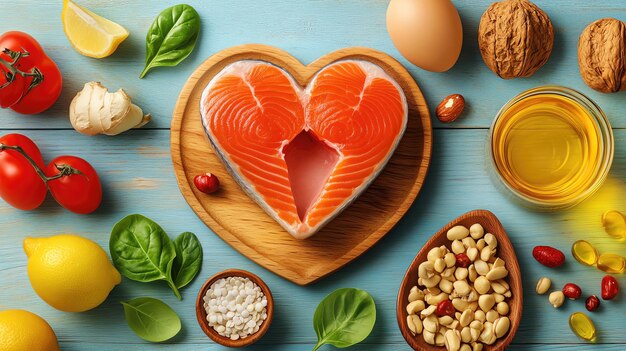
Omega 3 When it comes to maintaining a strong and healthy heart, diet plays a vital role. Among the many nutrients essential for cardiovascular health, omega-3 fatty acids are considered one of the most powerful. These healthy fats help reduce inflammation, lower triglyceride levels, regulate blood pressure, and decrease the risk of heart disease. Since our bodies cannot produce omega-3s naturally, we must get them from food sources or supplements. If you’re wondering which foods provide the best natural sources of omega-3 for heart health, here’s a complete guide.
Why Omega-3s Are Important for the Heart
Omega-3 fatty acids, particularly EPA (eicosapentaenoic acid), DHA (docosahexaenoic acid), and ALA (alpha-linolenic acid), offer several benefits for cardiovascular health. Studies show that omega-3s can:
Reduce blood triglycerides (a risk factor for heart disease)
Lower blood pressure
Prevent plaque buildup in arteries
Reduce inflammation in blood vessels
Support proper heart rhythm and reduce the risk of sudden cardiac arrest
Including omega-3 rich foods in your daily meals is one of the easiest and most natural ways to strengthen your heart.
Best Omega-3 Rich Foods for Heart Health
Fatty Fish
Fatty fish is one of the richest and most bioavailable sources of omega 3. Salmon, mackerel, sardines, tuna, and trout are packed with EPA and DHA, which directly benefit heart function. The American Heart Association recommends eating at least two servings of fish oil per week for optimal cardiovascular health. Grilled salmon, baked mackerel, or sardine salads are excellent meal idea
Walnuts
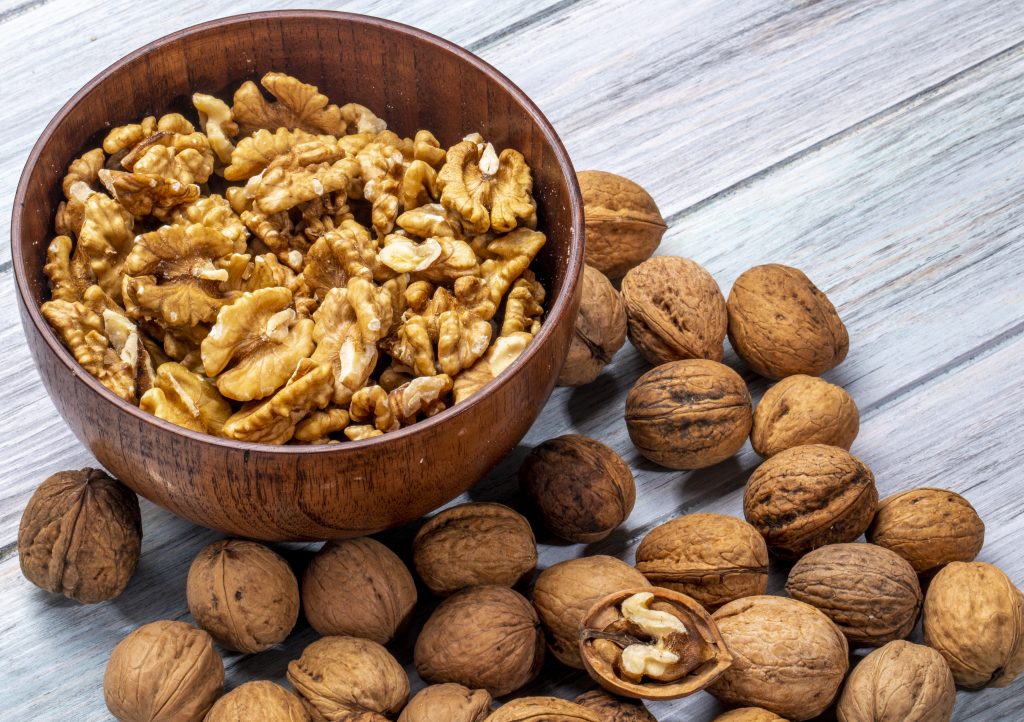
Walnuts are a plant-based powerhouse of omega-3s, particularly ALA. They also contain antioxidants and fiber that help reduce cholesterol and support arterial health. A small handful of walnuts daily can significantly contribute to heart protection. You can add them to oatmeal, salads, or smoothies for a crunchy and nutritious boost.
Flaxseeds
Flaxseeds are another excellent vegetarian source of ALA. These tiny seeds also provide fiber and lignans, which support heart health by improving cholesterol levels and reducing inflammation. Ground flaxseeds are easier for the body to digest compared to whole seeds. Add them to smoothies, yogurt, or baked goods for a healthy omega-3 boost.
Chia Seeds
Chia seeds are rich in plant-based omega-3s and also provide protein, fiber, and antioxidants. Just two tablespoons of chia seeds provide nearly 5 grams of ALA. They can be soaked overnight to create chia pudding, sprinkled on cereal, or blended into smoothies.
Hemp Seeds
Hemp seeds are often overlooked, but they’re a fantastic source of omega-3 fatty acids along with omega-6 in a balanced ratio. They are also rich in protein, magnesium, and other minerals that benefit heart health. Sprinkle hemp seeds over salads or stir them into yogurt for a nutty flavor.
Soybeans and Tofu
Soybeans and soy-based products like tofu and edamame are great sources of ALA omega-3. In addition, soy protein helps reduce LDL (bad cholesterol) and raise HDL (good cholesterol). Incorporating soy into your diet can be especially helpful for vegetarians and vegans looking to improve heart health.
Canola Oil
Canola oil is one of the most affordable cooking oils that naturally contains omega-3 fatty acids. It is a healthier option compared to oils high in saturated fats and can be used for sautéing, baking, or salad dressings.
Eggs (Omega-3 Enriched)
Certain eggs are enriched with omega-3s because hens are fed flaxseeds or algae. These eggs provide a good balance of DHA and ALA, making them a convenient option for non-vegetarians to include in their diet.
Seaweed and Algae
For those following a plant-based diet, algae and seaweed are among the few vegetarian sources of DHA and EPA. Algae-based supplements are also popular alternatives to fish oil for improving heart health.
Tips to Add More Omega 3 Foods to Your Diet
Replace processed snacks with walnuts or almonds.
Use flaxseed or chia seed powder in baked goods.
Cook with canola oil instead of unhealthy fats.
Eat grilled salmon or sardines twice a week.
Try plant-based sources like tofu, edamame, or seaweed.
Final Thoughts
Omega 3 fatty acids are essential for keeping your heart strong and healthy. While supplements are available, the best way to get omega-3 is through a balanced diet rich in natural sources like fatty fish, walnuts, flaxseeds, chia seeds, and soy products. By making small, consistent changes in your diet, you can improve heart function, reduce the risk of cardiovascular diseases, and enjoy a healthier lifestyle.
Hydration Hacks: How Much Water Should You Drink? – My Blog
follow us on Instagram