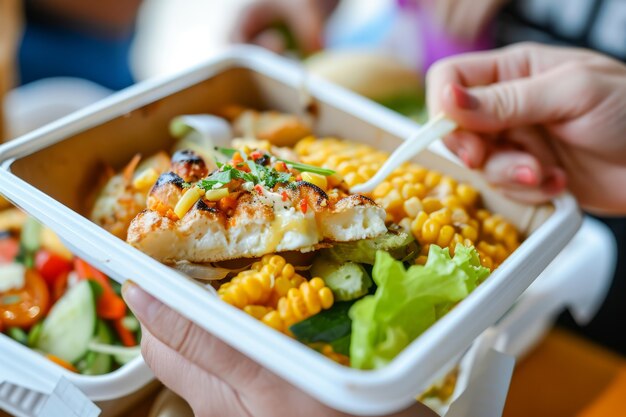
Eating clean doesn’t have to mean spending a fortune. With smart planning, strategic shopping, and simple cooking techniques, you can enjoy nutritious meals without breaking the bank. Here’s a guide to eating clean on a budget while still getting all the essential nutrients your body needs. Eating clean on a budget means choosing whole, minimally processed, and nutrient-rich foods without overspending. It focuses on smart shopping, meal planning, and using affordable ingredients like seasonal produce, whole grains, legumes, and lean proteins. Instead of expensive packaged health foods, it emphasizes cooking at home, buying in bulk, and reducing food waste. Clean eating on a budget also involves making mindful swaps—like water instead of sugary drinks or homemade snacks instead of processed ones. The goal is to fuel your body with healthy, natural foods while managing expenses, proving that eating well doesn’t have to cost a fortune.
- Plan Your Meals Ahead
Create a weekly meal plan: Decide what you’ll eating for breakfast, lunch, dinner, and snacks.

Base meals on affordable staples: Focus on beans, lentils, eggs, oats, rice, and seasonal vegetables.
Use leftovers creatively: Turn last night’s dinner into tomorrow’s lunch.
Tip: Planning prevents impulse buying and reduces food waste.
- Shop Smart
Buy in bulk: Grains, beans, nuts, and seeds are cheaper in large quantities.
Choose seasonal produce: Fruits and vegetables in season are fresher and more affordable.
Opt for frozen vegetables and fruits: They’re just as nutritious as fresh and last longer.
Compare prices: Look at unit prices and choose the best value.
Tip: Make a grocery list and stick to it to avoid unnecessary purchases.
- Cook at Home
Batch cooking: Prepare multiple meals at once to save time and money.
Simple recipes: Focus on easy-to-make dishes with whole ingredients.
Limit processed foods: Pre-packaged meals and snacks are often expensive and less healthy.
Tip: Homemade sauces, dressings, and snacks are cheaper and healthier than store-bought alternatives.
- Focus on Affordable Clean Proteins
Eggs: High in protein and versatile for meals.
Legumes: Lentils, chickpeas, and beans are cheap, filling, and nutritious.
Canned fish: Tuna or sardines are affordable sources of omega-3s.
Chicken or turkey: Buy in bulk and freeze portions.
Tip: Rotate plant-based proteins with animal proteins to save money and add variety.
- Use Whole Grains
Affordable options: Brown rice, oats, whole wheat pasta, and barley.
Benefits: Provide fiber, stabilize blood sugar, and keep you full longer.
Tip: Cook large batches and store in the fridge for easy meals.
- Make Snacks at Home
DIY snacks: Roasted chickpeas, popcorn, or fruit with nut butter.
Avoid packaged snacks: They’re often expensive and high in sugar and preservatives.
Tip: Portion snacks in advance to prevent overeating.
- Get Creative with Vegetables
Stir-fries, soups, and salads: Use a variety of vegetables to add nutrients and volume.
Use herbs and spices: Affordable spices can transform simple dishes into flavorful meals.
Tip: Incorporate cheaper vegetables like carrots, cabbage, and zucchini for bulk and nutrition.
- Reduce Food Waste
Store food properly: Keep vegetables fresh longer by refrigerating or freezing.
Repurpose leftovers: Use cooked grains, proteins, and veggies in bowls, soups, or wraps.
Compost scraps: Reduce waste and use organic scraps to grow your own herbs or vegetables.
- Budget-Friendly Beverage Choices
Water: Cheapest and healthiest option.
Herbal teas: Affordable and hydrating without added sugar.
Homemade smoothies: Use seasonal fruits, vegetables, and plant-based milk.
Tip: Avoid sugary drinks, which add cost and empty calories.
Conclusion
Eating clean on a budget is completely achievable with smart planning, home cooking, and strategic shopping. By focusing on whole foods, affordable proteins, seasonal produce, and batch cooking, you can maintain a healthy lifestyle without overspending.
With consistency and creativity, eating clean becomes a sustainable habit—good for your health, your wallet, and your overall well-being. follow us on instagram