Intermittent Fasting: Beginner’s Guide
In the world of health and fitness, intermittent fasting (IF) has gained massive popularity as a simple yet effective approach to weight loss and improved health. Unlike traditional diets, intermittent fasting doesn’t tell you what to eat—it focuses on when you eat. By cycling between periods of eating and fasting, IF helps regulate metabolism, promote fat loss, and even improve overall well-being.
If you’re new to this concept, this beginner’s guide to intermittent fasting will help you understand how it works, its benefits, the different methods, and tips to get started safely.
What is Intermittent Fasting?
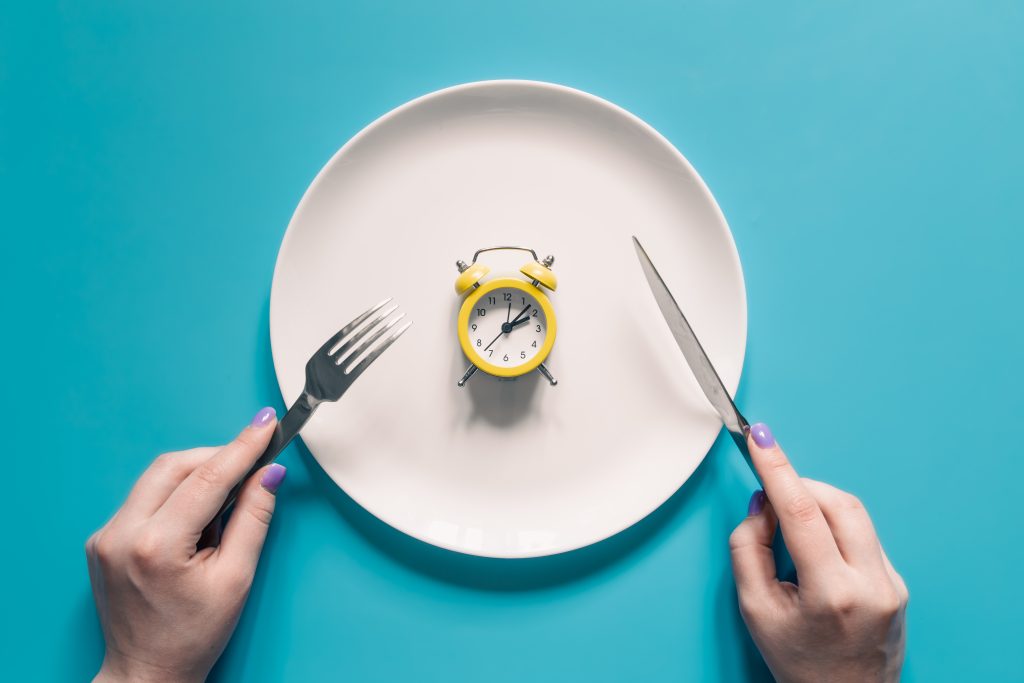
Intermittent fasting is an eating pattern that alternates between periods of fasting (not eating) and eating. Instead of focusing on calorie restriction or specific food groups, IF structures your meals around specific time windows.
Example: You might fast for 16 hours and eat during an 8-hour window (commonly known as the 16:8 method).
This approach doesn’t mean you starve yourself—it simply encourages your body to use stored fat for energy during fasting periods.
Benefits of Intermittent Fasting
Research suggests that intermittent fasting has numerous health benefits beyond weight loss.
Weight Loss and Fat Burning
During fasting, insulin levels drop, encouraging the body to burn fat.
Growth hormone levels increase, aiding fat loss and muscle preservation.
Improved Metabolism
Fasting may enhance insulin sensitivity, lowering the risk of type 2 diabetes.
Cellular Repair
IF activates autophagy, a natural process where cells remove damaged components, promoting longevity.
Better Brain Health
Fasting increases levels of brain-derived neurotrophic factor (BDNF), supporting brain function and memory.
Heart Health
Studies show IF may reduce blood pressure, cholesterol, and inflammation.
Simplicity and Flexibility
Unlike complicated diets, IF is straightforward and easy to follow.
Popular Intermittent Fasting Methods
There are several ways to practice intermittent fasting. Beginners should choose a method that fits their lifestyle.
- The 16:8 Method
How it works: Fast for 16 hours and eat during an 8-hour window.
Example: Eat from 12 pm to 8 pm, fast from 8 pm to 12 pm the next day.
Best for: Beginners, since it’s simple and sustainable.
- The 5:2 Diet
How it works: Eat normally for 5 days, then restrict calories (500–600) on 2 non-consecutive days.
Example: Regular eating on weekdays, restricted intake on Tuesday and Friday.
- Eat-Stop-Eat (24-Hour Fast)
How it works: Fast for 24 hours once or twice a week.
Example: Fast from dinner one day to dinner the next.
Best for: Advanced fasters, not beginners.
- Alternate-Day Fasting
How it works: Alternate between fasting days and regular eating days.
Challenge: Can be tough to maintain long-term.
- The Warrior Diet
How it works: Eat small portions of fruits/vegetables during the day and one large meal at night.
Eating window: 4 hours.
What to Eat During Intermittent Fasting
While IF focuses on timing, the quality of food matters. Eating nutrient-rich meals will maximize results.
Recommended foods:
Lean proteins (chicken, fish, eggs, tofu)
Healthy fats (avocados, nuts, olive oil)
Whole grains (brown rice, oats, quinoa)
Fresh vegetables and fruits
Hydrating drinks (water, herbal tea, black coffee)
Avoid:
Sugary drinks
Refined carbs and junk food
Processed snacks
Remember: Fasting won’t work if you binge on unhealthy foods during eating windows.
Tips for Beginners Starting Intermittent Fasting
Start Slowly – Begin with a 12-hour fast and gradually increase to 16:8.
Stay Hydrated – Drink plenty of water to avoid hunger pangs.
Keep Busy – Staying active distracts you from cravings.
Break Your Fast Wisely – Start with a small, balanced meal rather than overeating.
Listen to Your Body – If you feel weak or dizzy, shorten your fasting window.
Be Patient – Results take time; consistency is key.
Who Should Avoid Intermittent Fasting?
Intermittent fasting isn’t for everyone. Certain groups should avoid it or consult a doctor first:
Pregnant or breastfeeding women
People with eating disorders
Those with diabetes or blood sugar issues
Anyone underweight or with medical conditions requiring regular meals
Common Mistakes to Avoid
Overeating during eating windows – This cancels out fasting benefits.
Not drinking enough water – Leads to dehydration and fatigue.
Ignoring sleep – Poor sleep affects hormone balance and weight loss.
Expecting quick results – IF is a lifestyle, not a crash diet.
Sample Intermittent Fasting Schedule for Beginners
7:00 am: Black coffee or water
12:00 pm: Break fast with a protein-rich meal (chicken salad, quinoa, vegetables)
4:00 pm: Healthy snack (nuts, Greek yogurt, or boiled eggs)
7:30 pm: Dinner (grilled salmon, sweet potato, steamed veggies)
8:00 pm: Start fasting until next day 12 pm
Final Thoughts
Intermittent fasting is more than just a trend—it’s a lifestyle approach backed by science. By focusing on when you eat rather than obsessing over calories, IF offers a sustainable way to lose weight, boost energy, and improve overall health.
If you’re a beginner, start small, experiment with different fasting methods, and find what works best for your body. Consistency, patience, and a balanced diet will make your intermittent fasting journey successful.