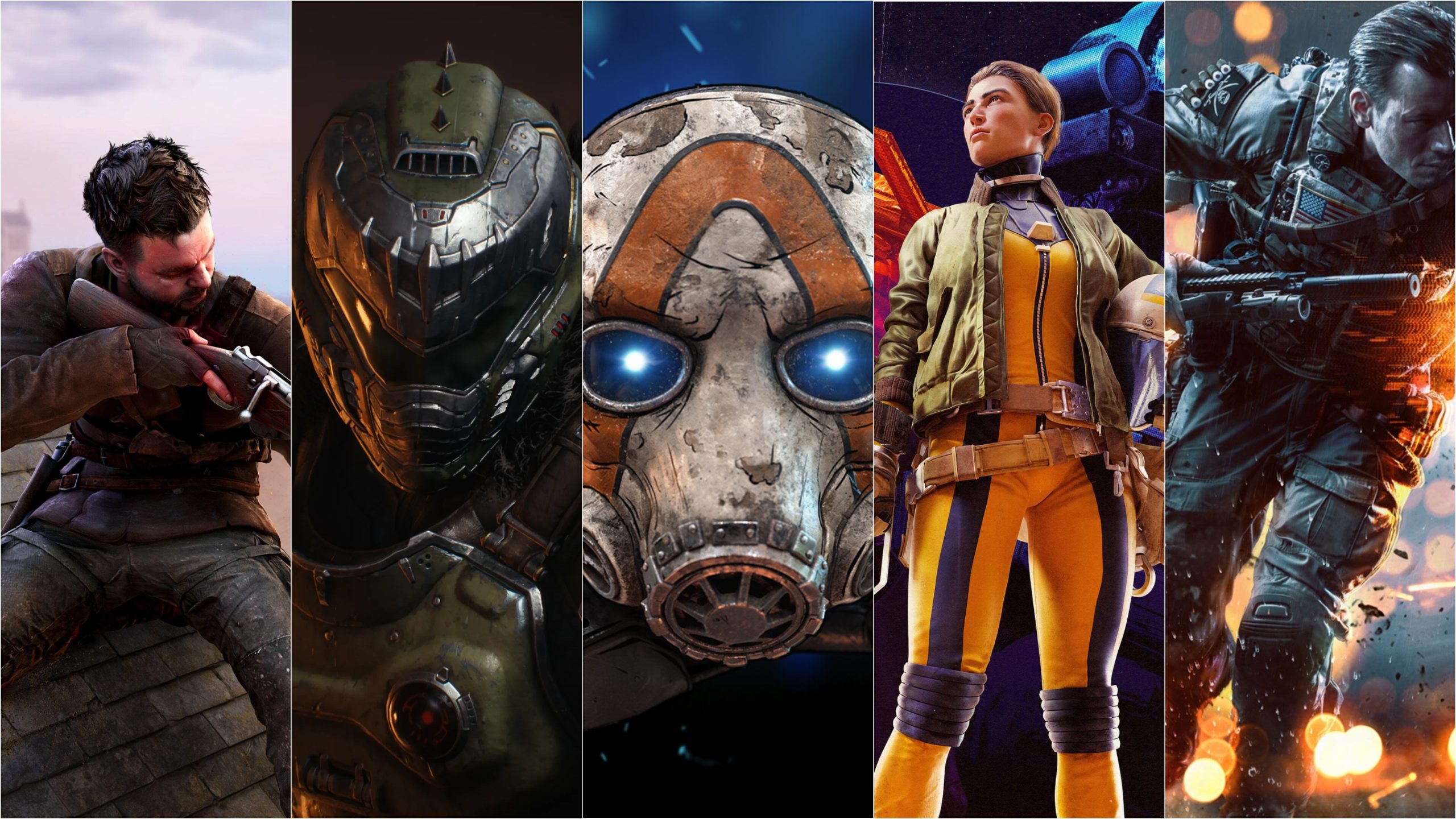
Artificial Intelligence (AI) has rapidly evolved over the past few years, and by 2025, its impact on gaming is profound. From smarter NPCs to personalized experiences, is transforming how games are designed, played, and enjoyed. Here’s a breakdown of the key ways is reshaping the gaming landscape.
AI Smarter NPCs (Non-Player Characters)2025
has enabled NPCs to behave more realistically and adapt to players’ strategies. Instead of following pre-programmed routines, NPCs in 2025 can:
Learn from player actions and adjust their tactics.
Provide dynamic challenges, making games more engaging.
Interact naturally with players, creating immersive story-driven experiences.
For example, in modern RPGs and FPS games, enemies no longer follow predictable patterns, requiring players to think strategically.
- Procedural Content Generation
is now widely used to generate game worlds, levels, and quests dynamically. This means:
Vast, unique game worlds that differ for every player.
Endless variations of challenges and puzzles.
Faster game development, reducing repetitive manual work for designers.
Games like open-world adventures are benefiting from -generated environments that adapt based on player behavior.
- Personalized Gaming Experiences
algorithms analyze player behavior to tailor gameplay in real-time:
Adjusting difficulty based on skill level.
Offering personalized quest lines or story outcomes.
Recommending in-game content or challenges that match player preferences.
This personalization increases engagement and ensures every player experiences a game uniquely.
- Enhanced Graphics and Animation
AI is improving the visual quality and realism of games:
-driven animation tools produce lifelike character movements.
Neural networks enhance textures and graphics in real-time.
can even upscale older games, giving classic titles modern visual appeal.
Gamers now experience smoother, more cinematic visuals that immerse them in the game world like never before.
- Voice and Dialogue Systems
powered natural language processing allows NPCs to:
Respond to players with realistic speech.
Understand context-sensitive commands or questions.
Generate dynamic dialogue, making conversations feel less scripted.
This technology is bringing RPGs and simulation games closer to the experience of interacting with real people.
- in Game Testing and Development
Game developers use AI to:
Test large, complex worlds faster and more efficiently.
Detect bugs, glitches, or balance issues before release.
Optimize gameplay mechanics based on simulations.
This reduces development time and results in smoother, more polished games at launch.
- in Competitive and eSports
Analyzing player strategies and providing real-time coaching.
Enhancing matchmaking by predicting skill levels and ensuring balanced games.
Detecting cheating or unfair advantages in eSports tournaments.
Professional and casual players alike benefit from smarter competition and fairer gameplay.
- Future Possibilities
The next wave of may include:
Fully -driven open worlds where stories evolve dynamically.
Games that adapt emotionally, responding to player moods.
Cross-platform companions that interact across multiple games.
The integration ofis just beginning, and its potential to revolutionize the industry is limitless.
Conclusion
In 2025,is no longer a background tool—it’s a central force shaping experiences. From smarter NPCs and procedural content to personalized gameplay and lifelike graphics, is making games more immersive, challenging, and dynamic than ever before. Players can expect richer, more adaptive experiences, and developers are empowered to create worlds limited only by imagination.
The future of is intelligent, responsive, and endlessly evolving—thanks to Voice and Dialogue Systems
-powered natural language processing allows NPCs to:
Respond to players with realistic speech.
Understand context-sensitive commands or questions.
Generate dynamic dialogue, making conversations feel less scripted.
This technology is bringing RPGs and simulation games closer to the experience of interacting with real people.
s now widely used to generate game worlds, levels, and quests dynamically. This means:
Vast, unique game worlds that differ for every player.
Endless variations of challenges and puzzles.
Faster game development, reducing repetitive manual work for designers.
Games like open-world adventures are benefiting from -generated environments that adapt based on player behavior.
Top 19 FPS Games You Should Play – My Blog
FOLLOW ME ON INSTAGRAM