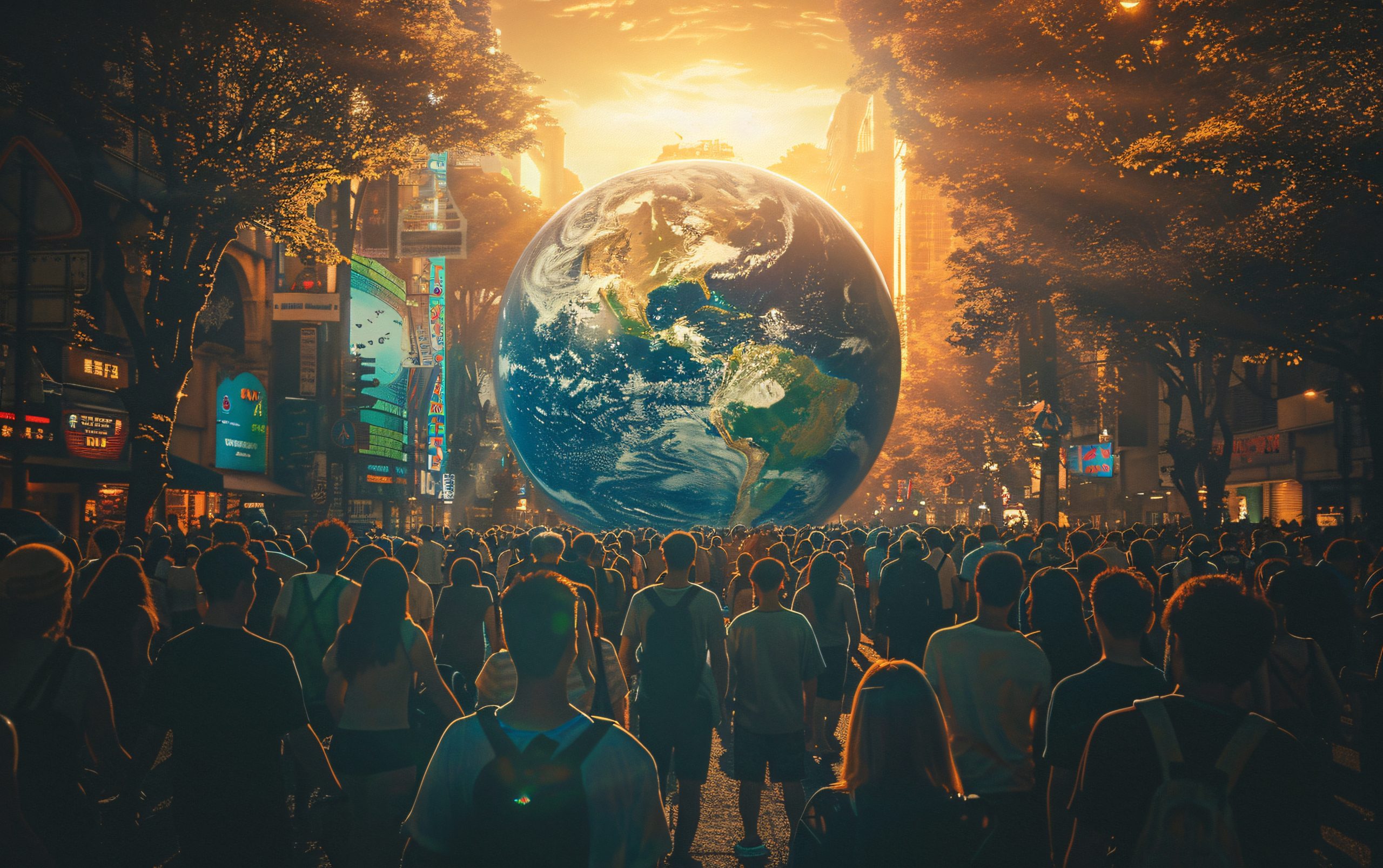
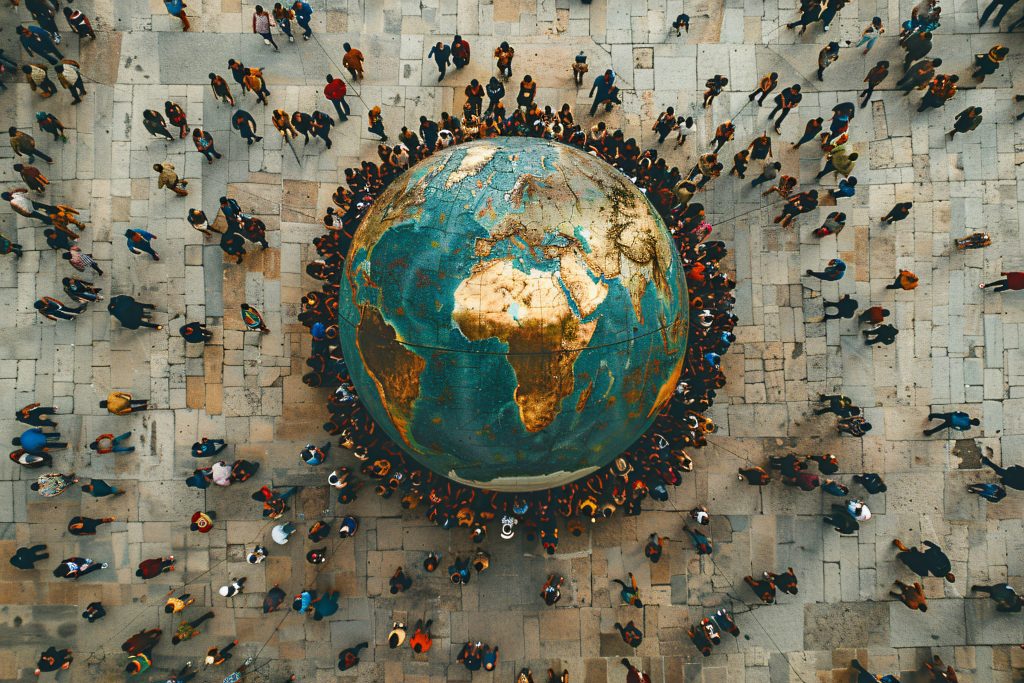
The world stands at a defining moment as nations navigate shifting alliances, rapid technological growth, and a changing balance of power. The landscape of global politics in 2025 is not just about governments and leaders—it’s about the transformation of influence, information, and identity in an interconnected world. The decisions made today will determine how societies cooperate, compete, and coexist in the years ahead.
In 2025, the geopolitical map looks very different from what it was even a decade ago. Traditional powerhouses like the United States, China, and the European Union continue to shape global narratives, but emerging nations such as India, Brazil, and Indonesia are stepping into the spotlight. Their growing economic and technological strength gives them a greater voice in international discussions, signaling a shift toward a more multipolar world. This diversification of influence is redefining the way diplomacy and trade operate, creating both opportunities and tensions among nations.
The Changing Face of Global Politics in 2025
One of the most notable features of global politics in recent years is the rise of digital diplomacy. Technology has become a powerful tool for international engagement. Leaders now communicate directly with citizens and foreign counterparts through social media, influencing public opinion in real-time. However, this digital openness comes with challenges—cybersecurity threats, misinformation campaigns, and the weaponization of data are redefining what it means to be secure in the modern era. As 2025 unfolds, governments are racing to strengthen digital policies and safeguard national interests while maintaining transparency and trust.
Climate change is another critical factor shaping global politics. Environmental issues are no longer just scientific debates—they are political priorities. Nations are facing pressure to balance economic growth with sustainability goals. The energy transition, for instance, is prompting countries rich in fossil fuels to diversify their economies, while those investing in renewable technology are emerging as leaders in the new green economy. International cooperation is essential, but not always easy to achieve. Disagreements over funding, technology sharing, and emission targets continue to test global unity.
The social fabric of many countries is also influencing the broader political scene. Rising inequality, migration, and cultural identity debates are driving new political movements across continents. Citizens are demanding greater accountability, inclusivity, and innovation from their governments. In democracies, this has led to a redefinition of political engagement, with younger generations pushing for reforms that reflect their values—climate justice, equality, and digital rights. In more centralized regimes, growing awareness and connectivity among citizens are challenging traditional forms of control.
Another major transformation in 2025 is the growing role of artificial intelligence in governance and international relations. From automated decision-making to predictive analytics, AI is helping governments respond to crises, manage resources, and forecast economic trends. However, it also raises ethical questions about surveillance, bias, and control. The race to dominate AI technology is becoming one of the defining aspects of global politics, as nations compete for technological supremacy that could determine future power structures.
Meanwhile, international institutions like the United Nations and World Trade Organization are under pressure to adapt to modern realities. The need for reform is evident—these institutions must evolve to address new threats such as digital warfare, pandemics, and climate migration. Regional alliances are strengthening as countries seek collective security and shared prosperity, giving rise to fresh diplomatic blocs that could reshape the existing order.
Ultimately, the changing face of global politics in 2025 reflects the complexity of our times. The lines between domestic and international issues are blurring, and power is no longer measured solely by military or economic strength. Influence now lies in innovation, collaboration, and adaptability. Nations that embrace these shifts will thrive in the new world order, while those clinging to old systems risk being left behind.
As the decade unfolds, one truth remains clear—the world is more connected, more aware, and more interdependent than ever before. The choices leaders make in 2025 will define not only the future of politics but also the direction of humanity itself. The challenge is not just to navigate change—but to lead it with wisdom, cooperation, and vision.